[Composed 1/5/2026]
Our snorkeling experience at Ahihi-Kinau Natural Area Reserve unfolded in three acts. Act I: the understated, self-pay parking lot. No signs, vendors, or anything resembling excitement.
Though we did get an important clue. As we started toward the beach, we overheard a kid — maybe ten years old — walking out with his family, turn to his dad, and ask: "Can we come back tomorrow?" Whoa, we thought. That's some high praise.
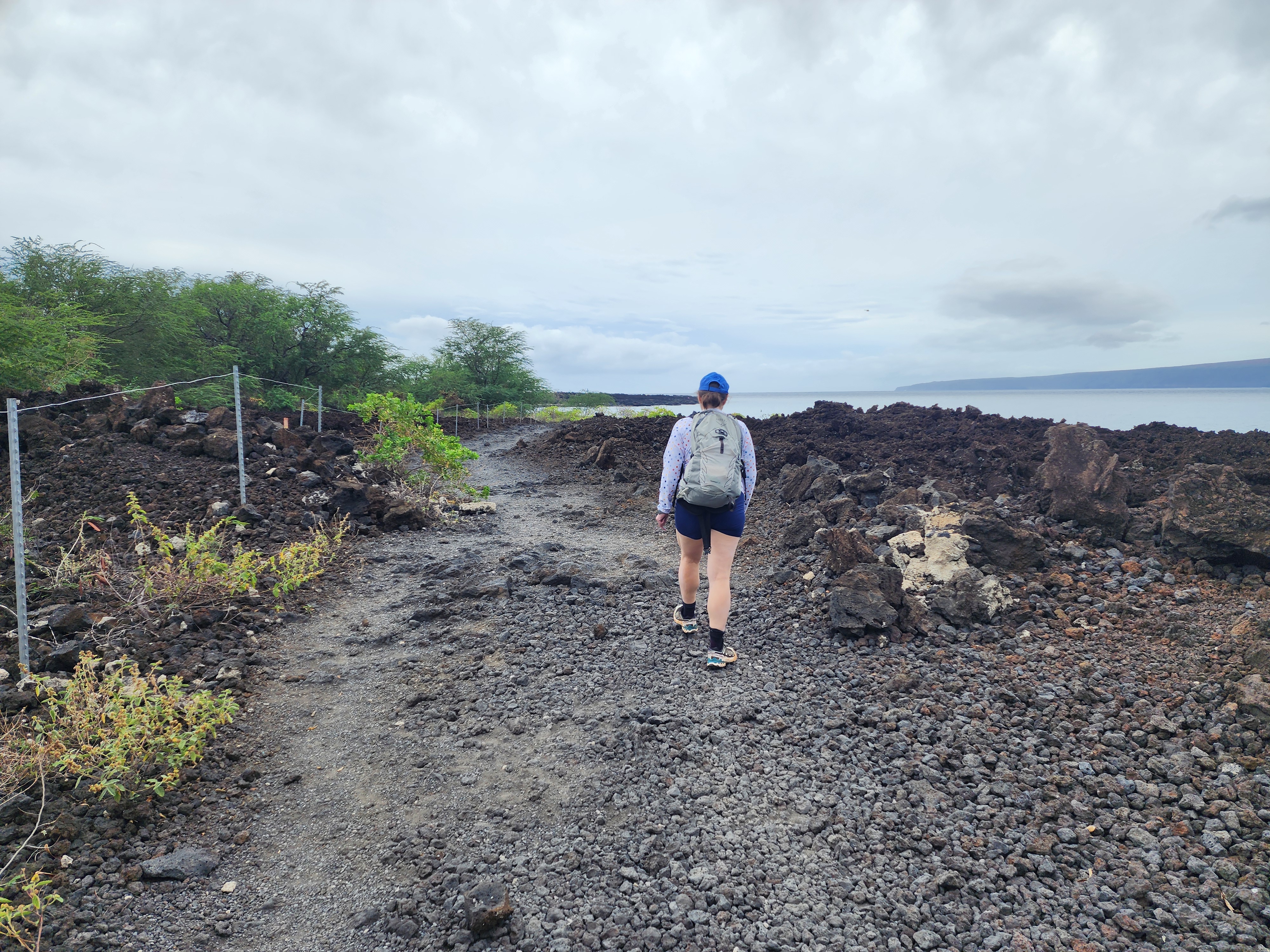
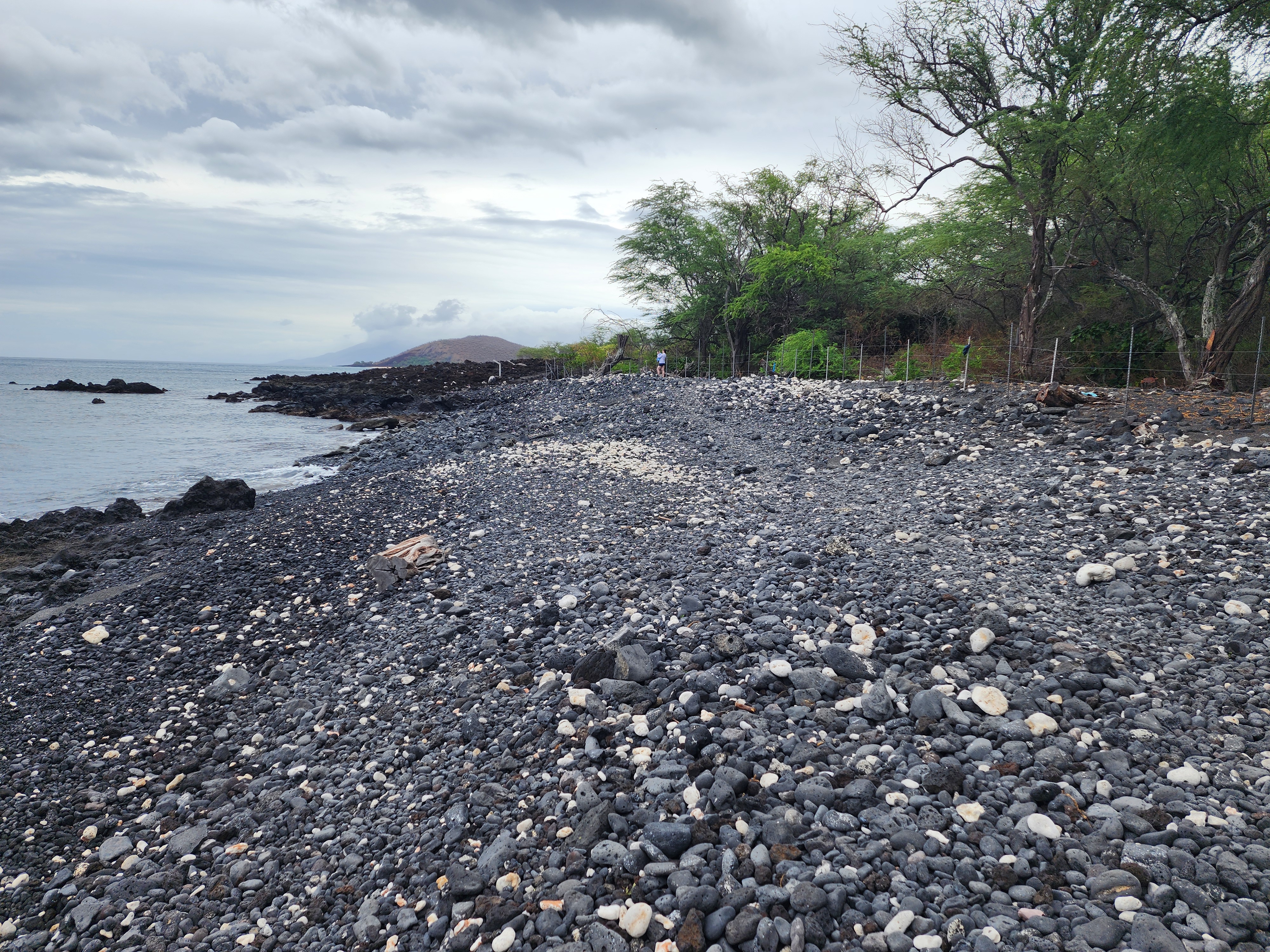
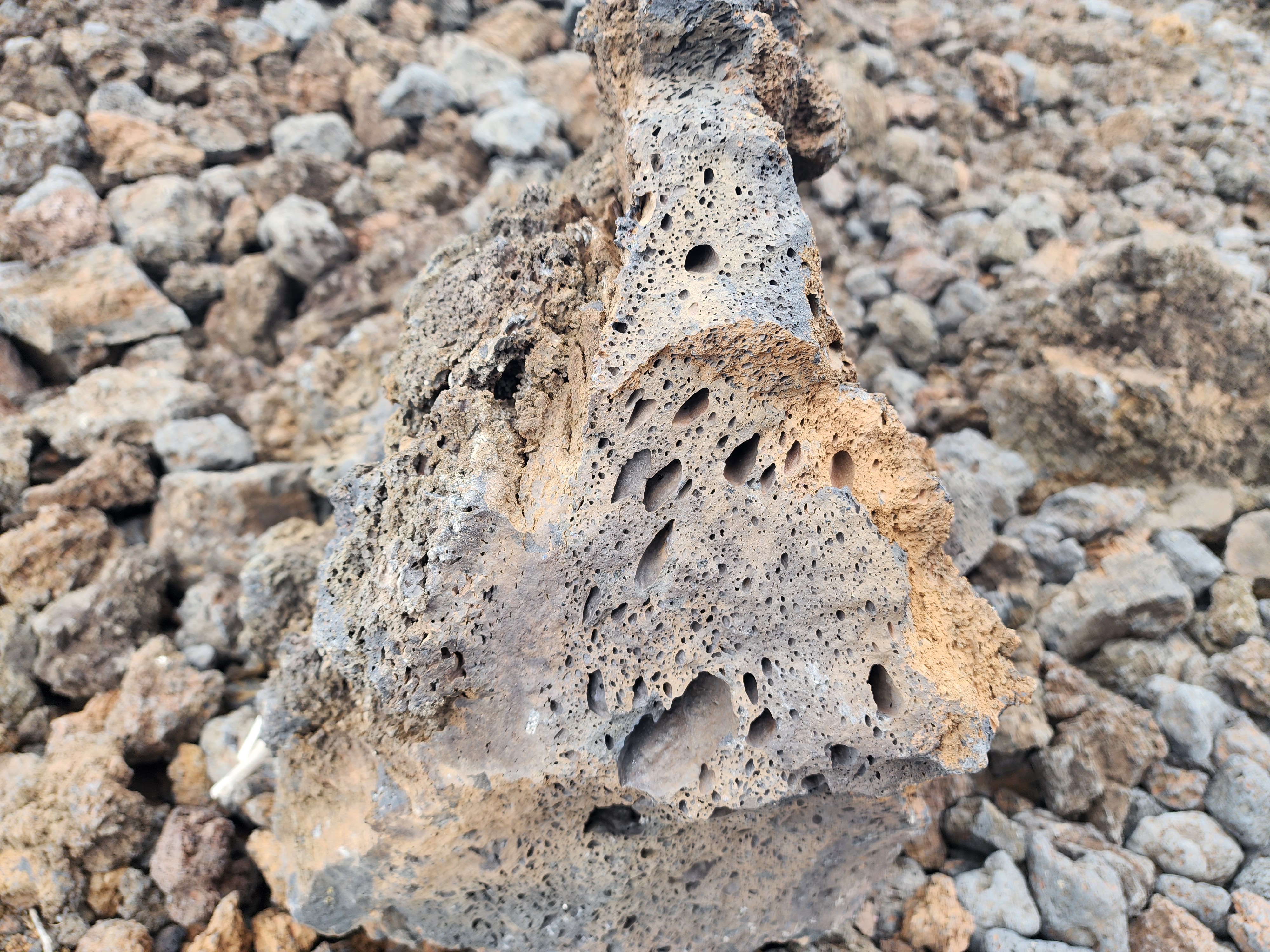
Act II: the short walk to the water. Now things started to get interesting. The trail led over stark black lava rock with only the occasional bit of vegetation peeking through. This is the sort of other-world ecosystem I totally dig. Though it felt nothing like beach-friendly terrain.
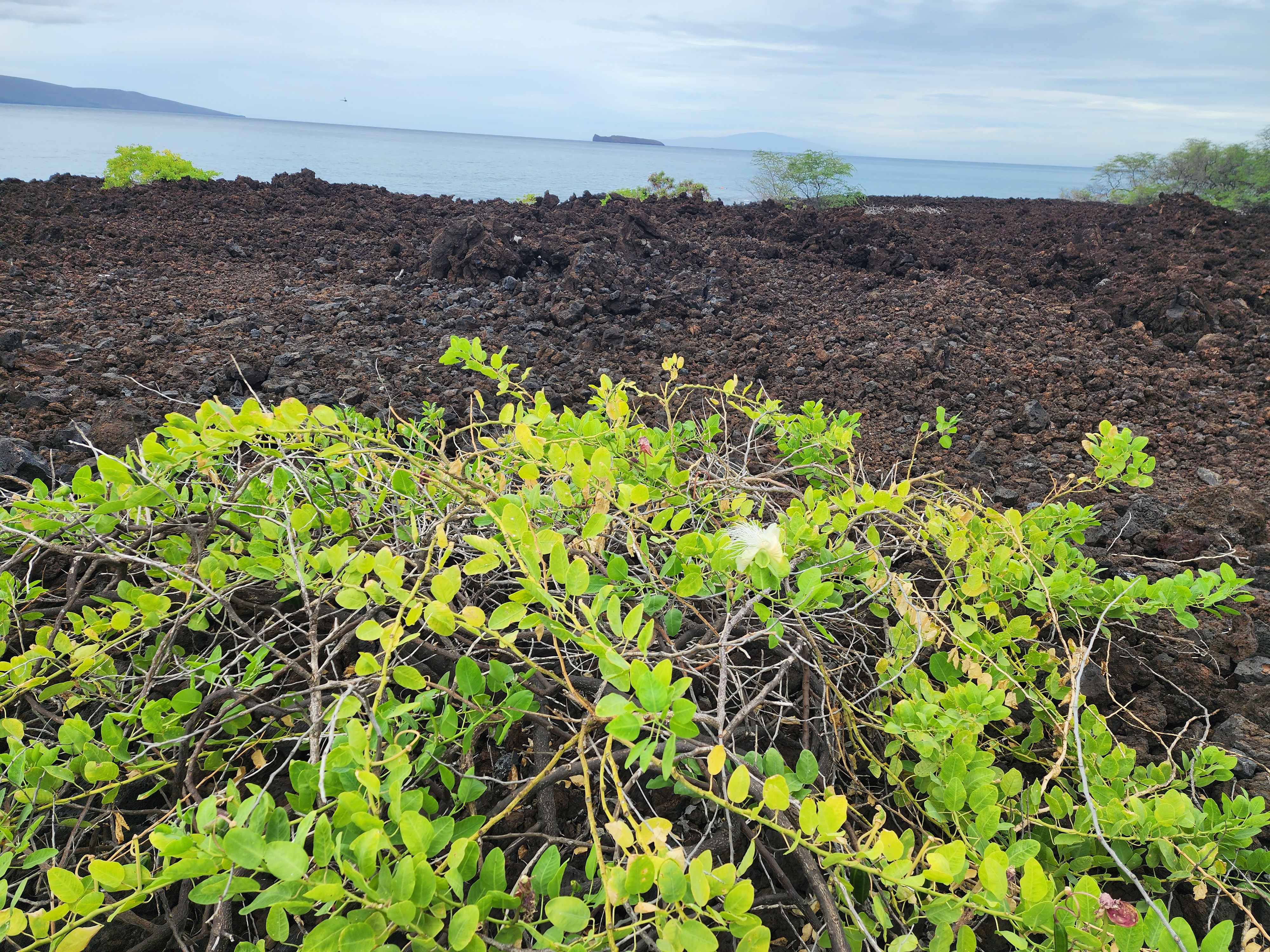
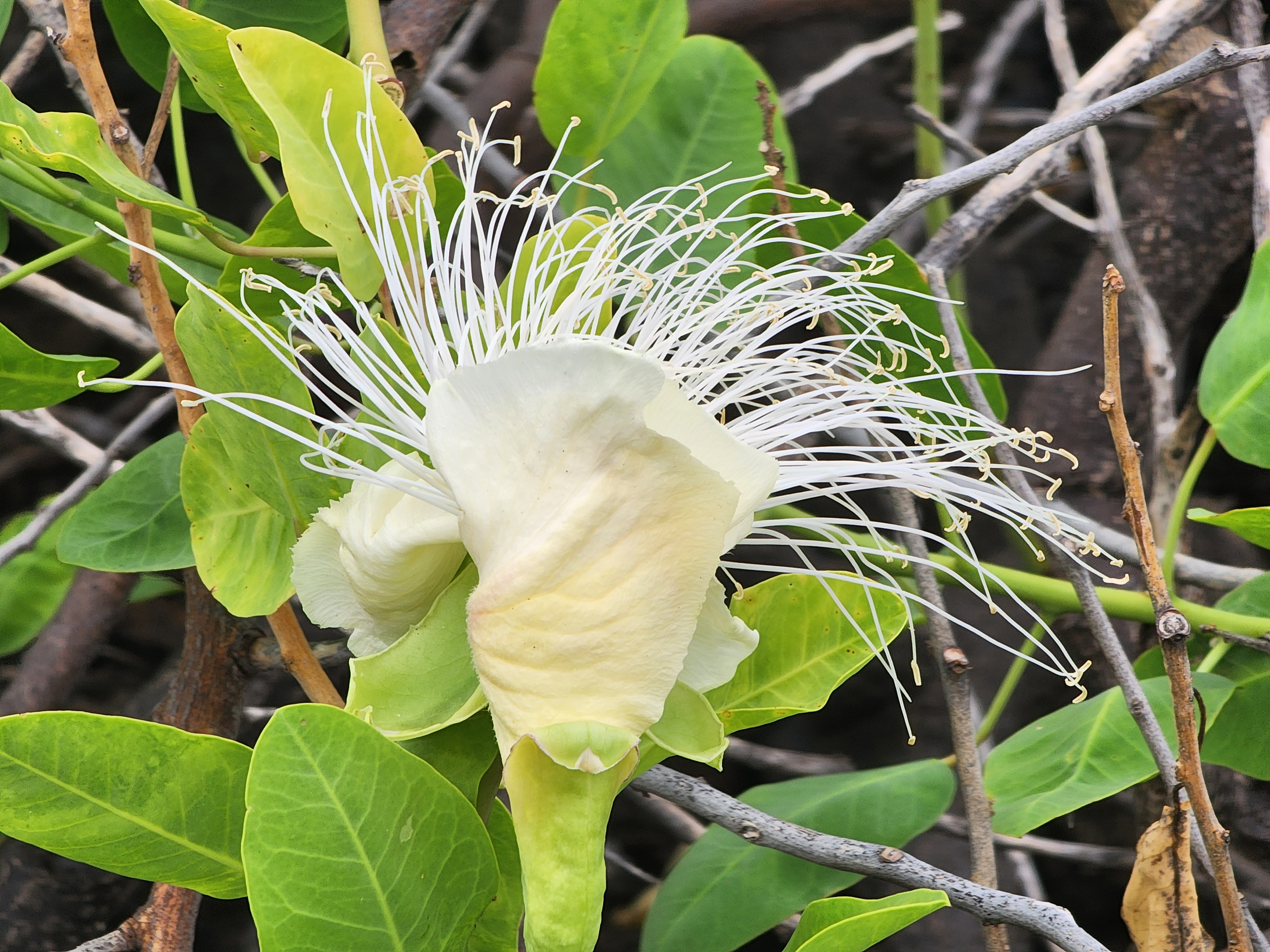
One flower caught my attention: a white bloom with a starburst of long stamens, growing from a low woody shrub. I took the photo and kept walking.
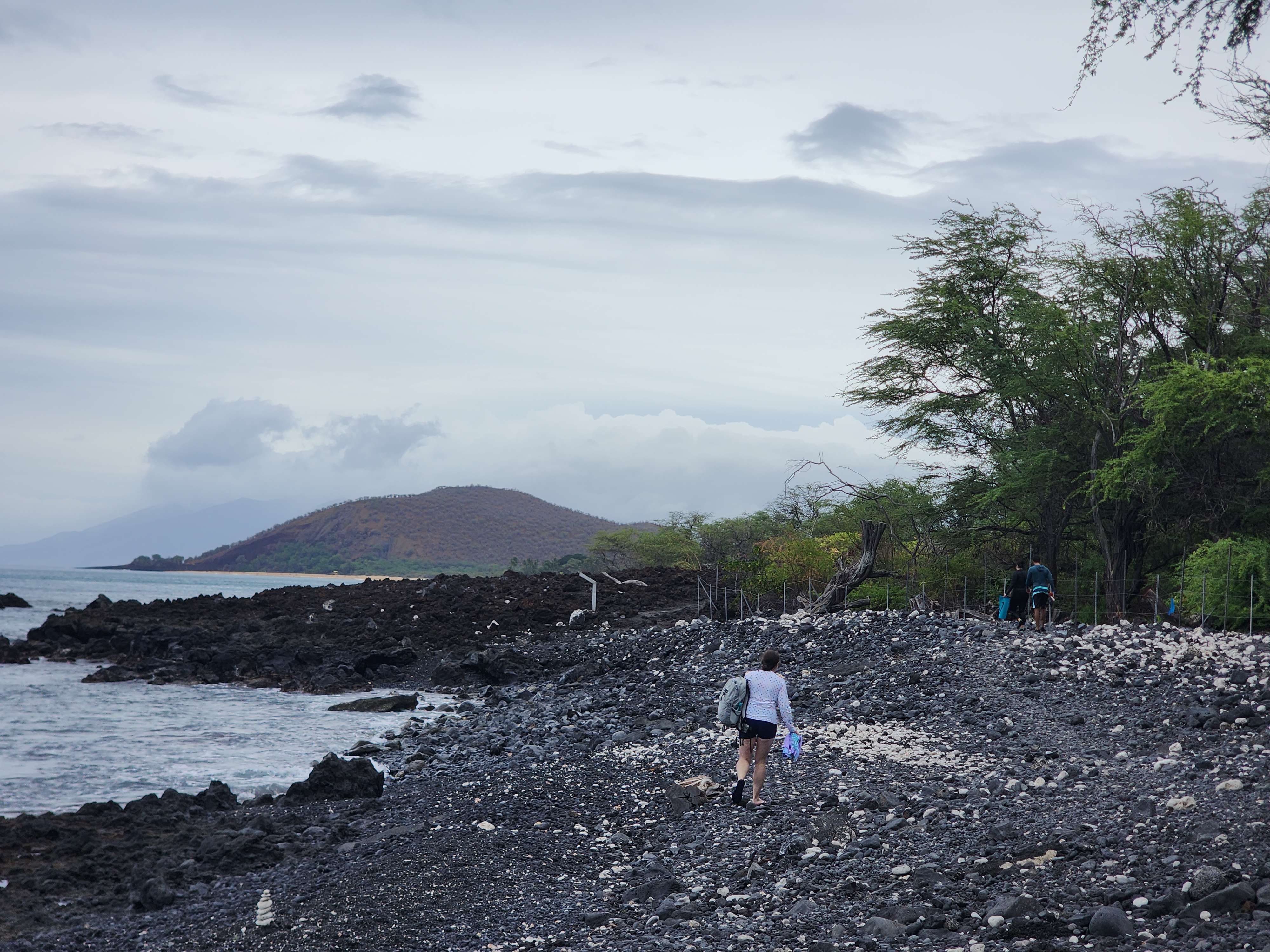
We don our snorkel gear and make our way down a steep ramp to the water's edge. I brace myself for the chill and duck my head under. Act III begins.
Into the Water
The contrast is immediate and total. The surface: alien, black, inhospitable. Below: fish everywhere, working the coral in every direction. Reds, blues, silvers. No catamaran, no guided tour, no rental shack. You walked over a lava field, and it was just there.


Two Fish, One Plant
Underwater photography is its own skill set, and one I need to sharpen — my Kodak WPZ2, a budget waterproof camera, shares some of the blame. Most shots came out too blurry to identify, but two frames were worth naming.
One dark fish caught my eye — almost black, with a single vivid orange stripe near its tail. That's the Achilles Tang, called pākuʻikuʻi in Hawaiian. It's named for the myth: the orange mark sits exactly where the Achilles heel would be — but on this fish, that spot isn't a weakness. It's warning coloration marking the retractable scalpel spine. The heel is the weapon.

The parrotfish — uhu — stopped me immediately. Large, unhurried, bright blue. Then I noticed they were biting the reef. And that mouth: it's a beak. An actual beak — roughly a thousand teeth fused into one, I learned afterward. They scrape coral, grind it through their digestive system, and excrete it as fine white sand. A large adult can produce over a ton a year. Ever wonder where fine white sand comes from? Parrotfish poop.


That flower I photographed on the trail — I looked it up. It's a Capparis sandwichiana — maiapilo, the Hawaiian caper, endemic to Hawaiʻi. It blooms after sunset and closes by morning, so I caught it at the end of its night. Hawaiians used it to treat broken bones, pounding the plant and applying it to the affected joints. That sounds like folk medicine until you learn the plant's biflavonoids inhibit the same inflammatory pathway that modern anti-inflammatories target. They were doing the right thing without a double-blind study to back them up. It's also listed as vulnerable, threatened mainly by feral goats — a story for the next post.
The Kid Was Right
We didn't go back the next day. We had places to be. But "can we come back tomorrow?" was the right sentiment. This place is amazing.




No comments:
Post a Comment